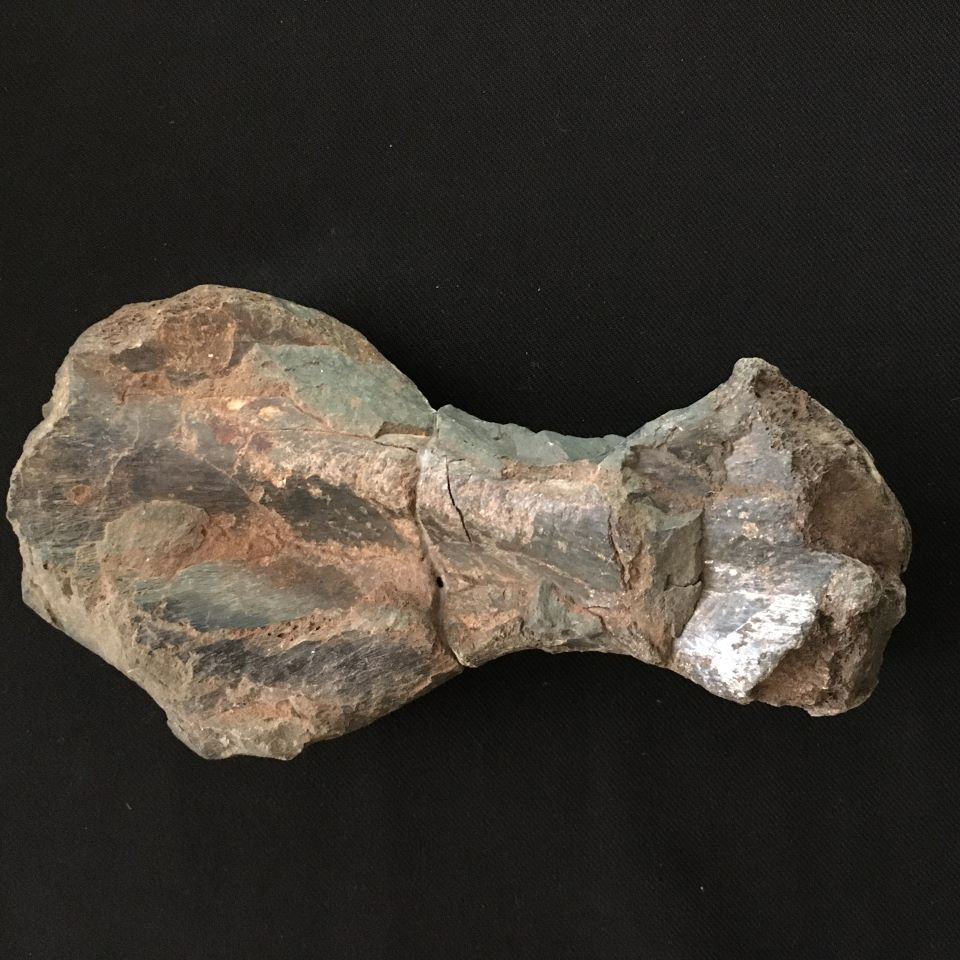
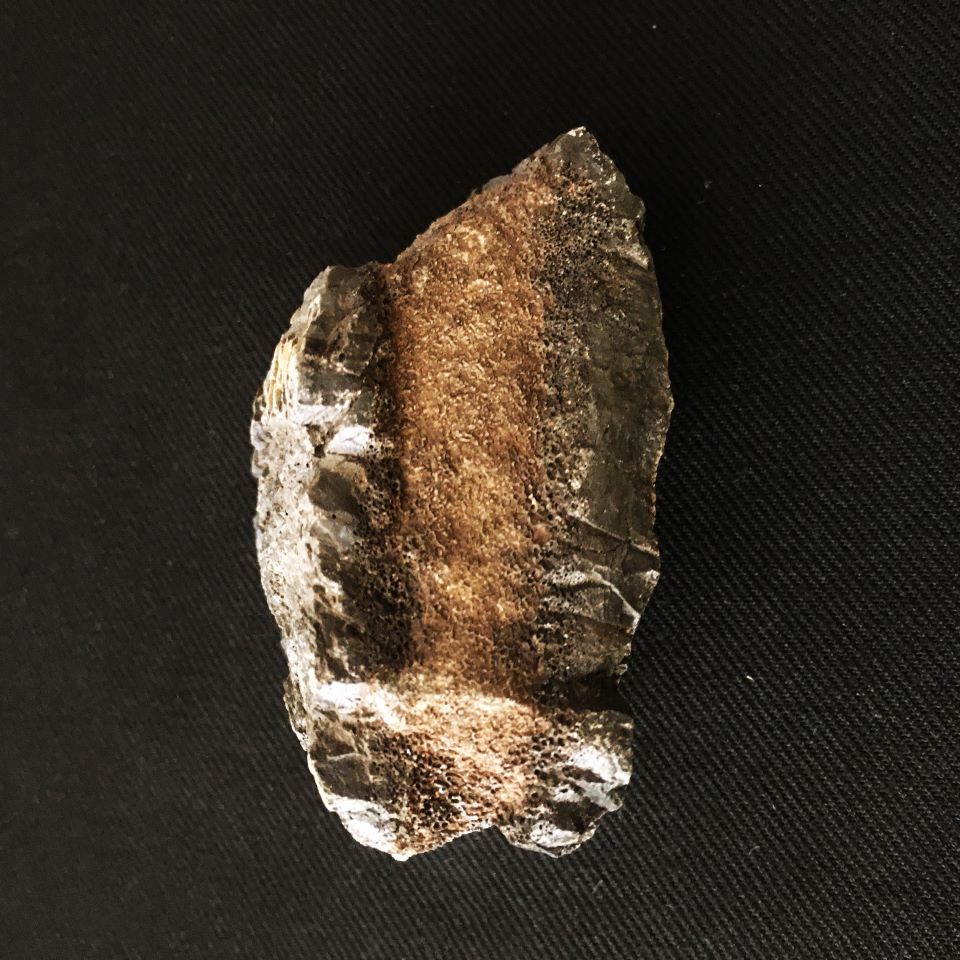
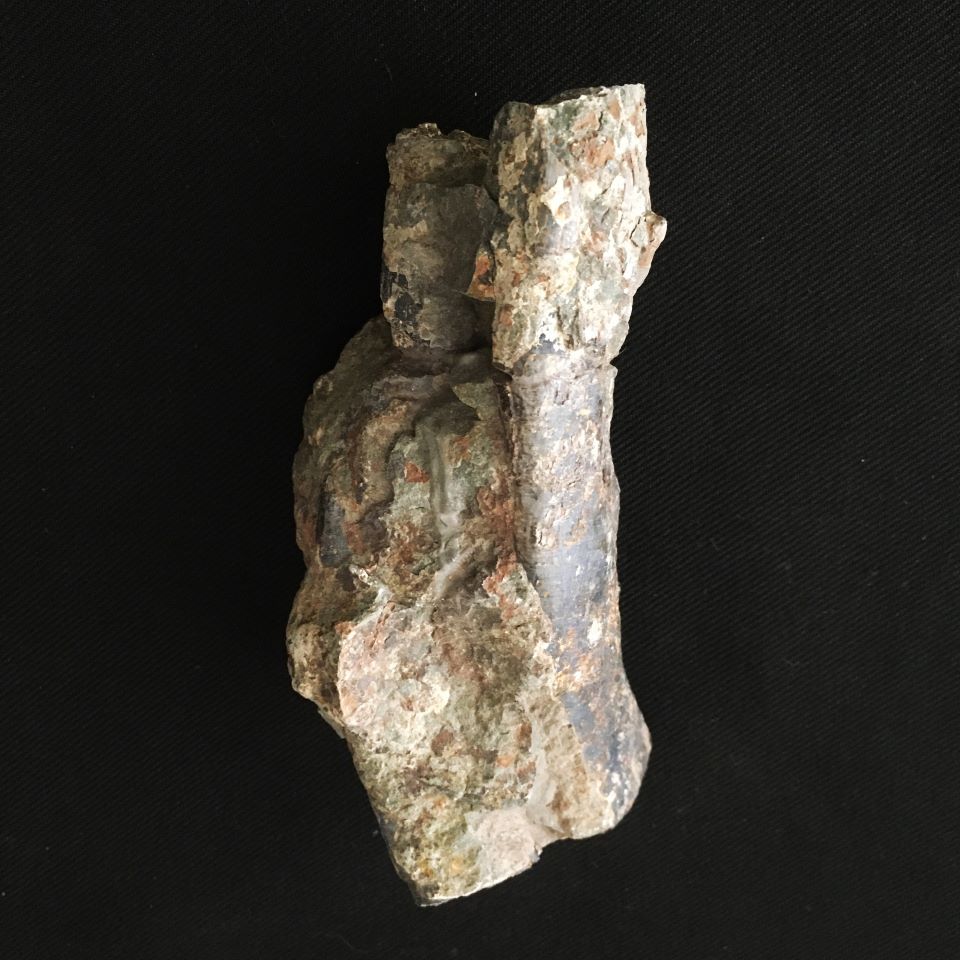
The Karoo is world famous for its fossils
- EXCITING TALES FROM THE PAST
Fossils tell a great story
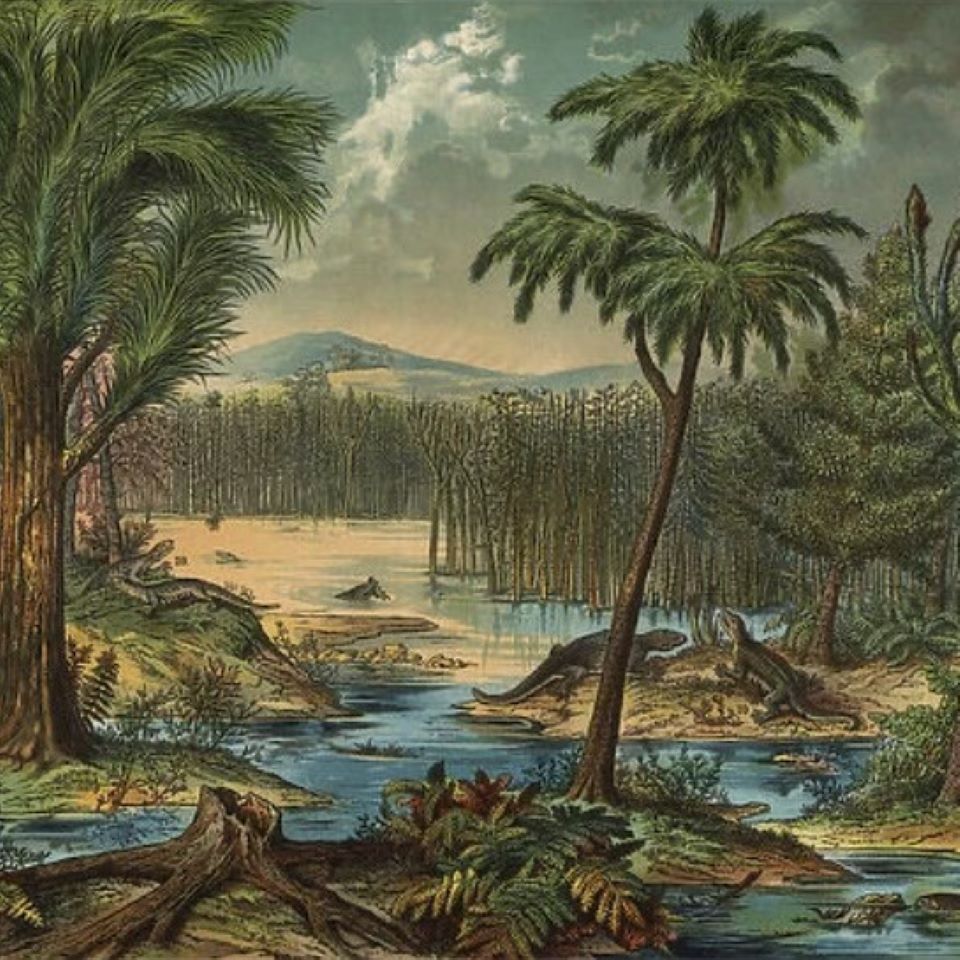
The fossils tell the story of life in the Karoo 300-250 million years ago. It was called the Permian Age.
The Karoo was a vast swampy area covered in Glossopteris trees and horsetail ferns and the ground cover was ferns and mosses. There were no flowers yet and no grasses.
The swamp was filled with strange and wonderful animals.
The Permian Age ended 250 million years ago with the largest extinction in Earth’s history. 95% of animals species in the sea died. Over 70% of animal species on land died. And nearly all the trees died.
This was 30 million years before the first dinosaurs appeared on Earth.
- PREDATORS
Fierce carnivores
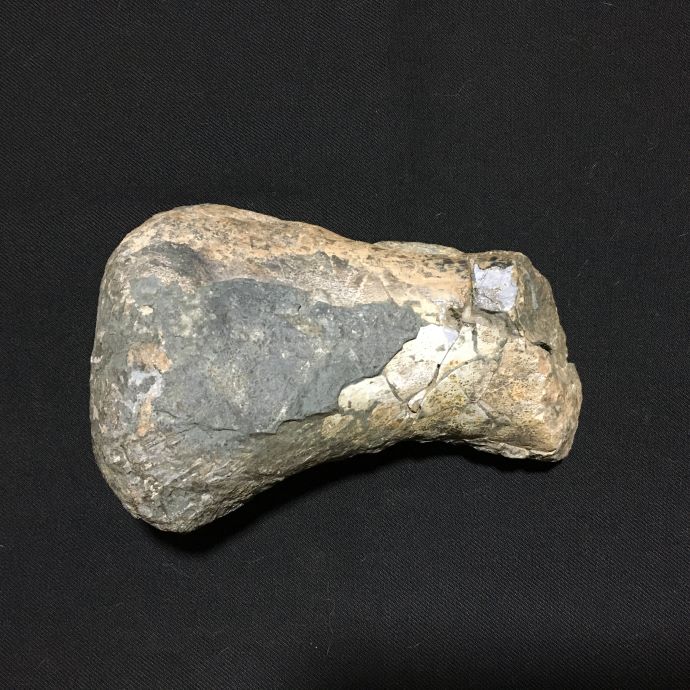
Massive carnivores such as this anteosaurus roamed the swamps. They were ferocious predators and had huge, bone-crushing teeth, a gigantic skull and a powerful jaw.
You would not want to be chased by this big boy!
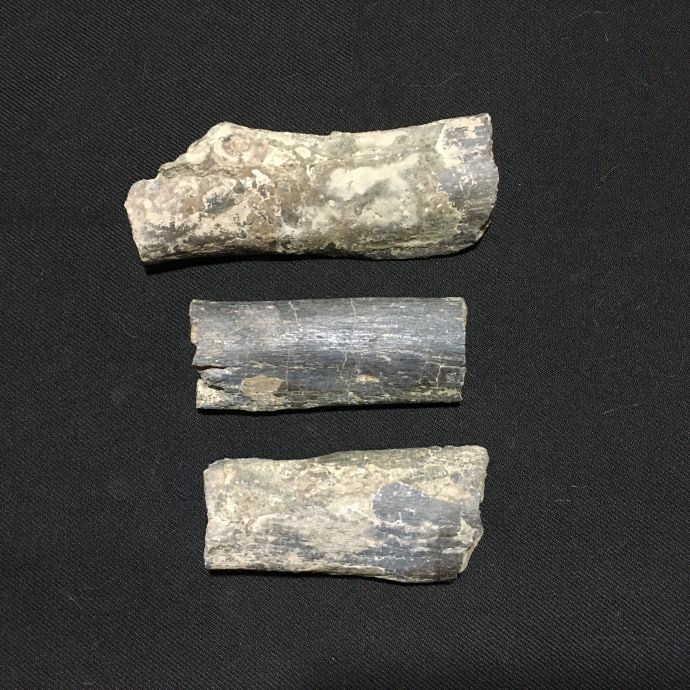
I have some nice carnivore fossils in my museum.

- PREY
Huge herbivores
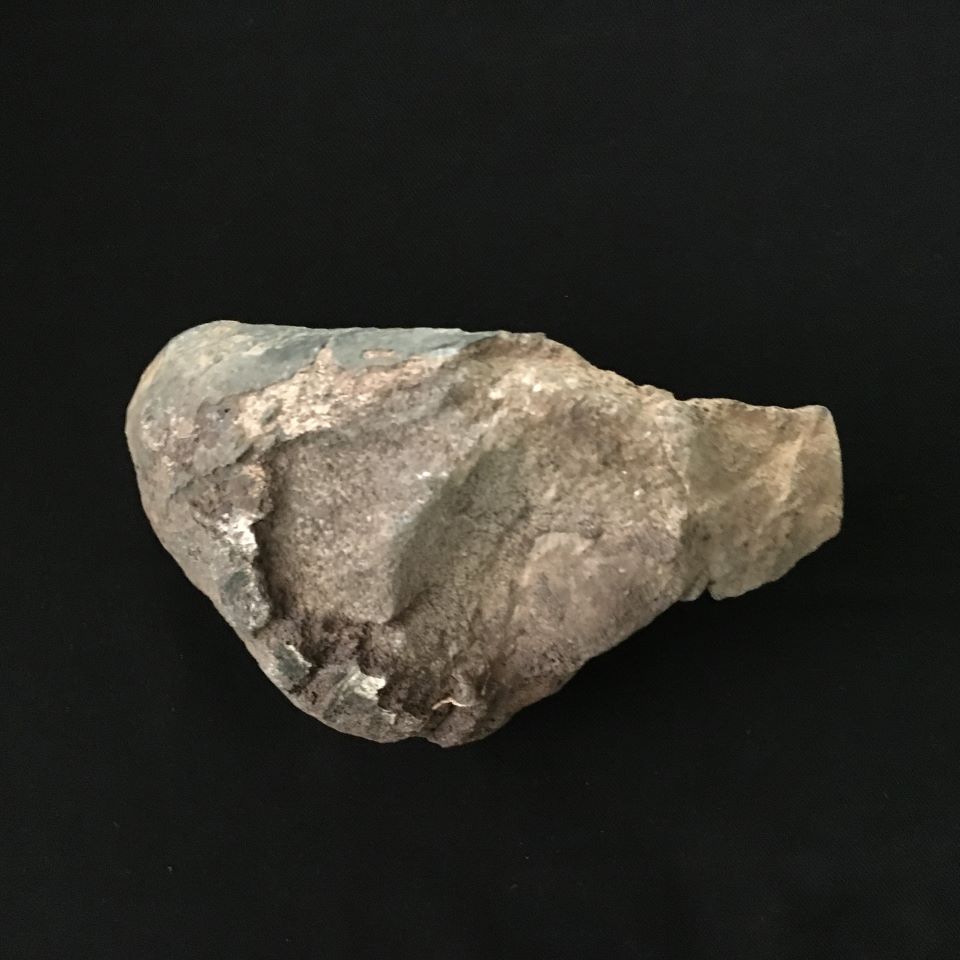
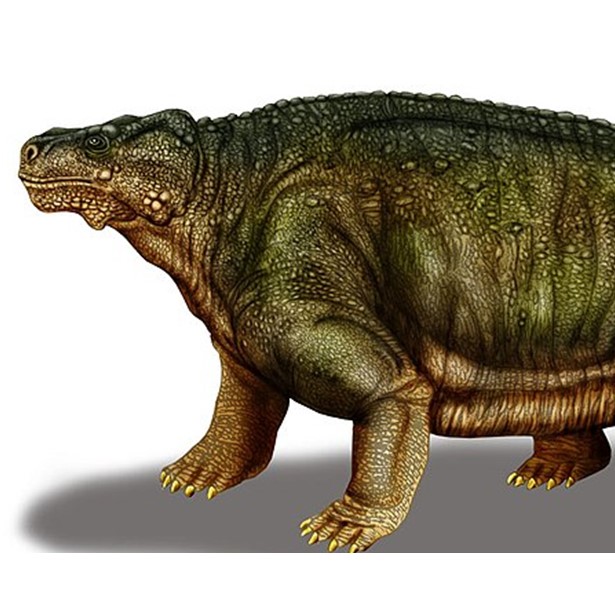
The predators preyed on the herbivorous animals such as the dicynodonts and the pareiasaurs.
My museum has some great herbivore fossils. There is even a pareiasur’s forearm with the end gnawed off!
- SPARKLING SCALES
3-D fish fossil
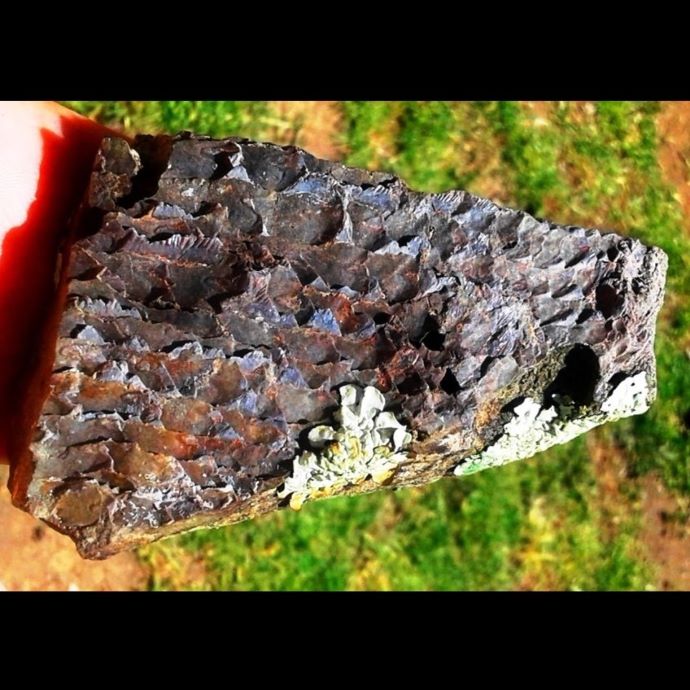
A 3-D fish body is a very rare fossil because dead fish tissue is very soft and decays quickly. Most are imprints, like my Green River fish fossil.
My fish fossil body has beautiful scales on its back that sparkle in the sunlight. It has leathery-looking scales on its belly and some little fish bones.